


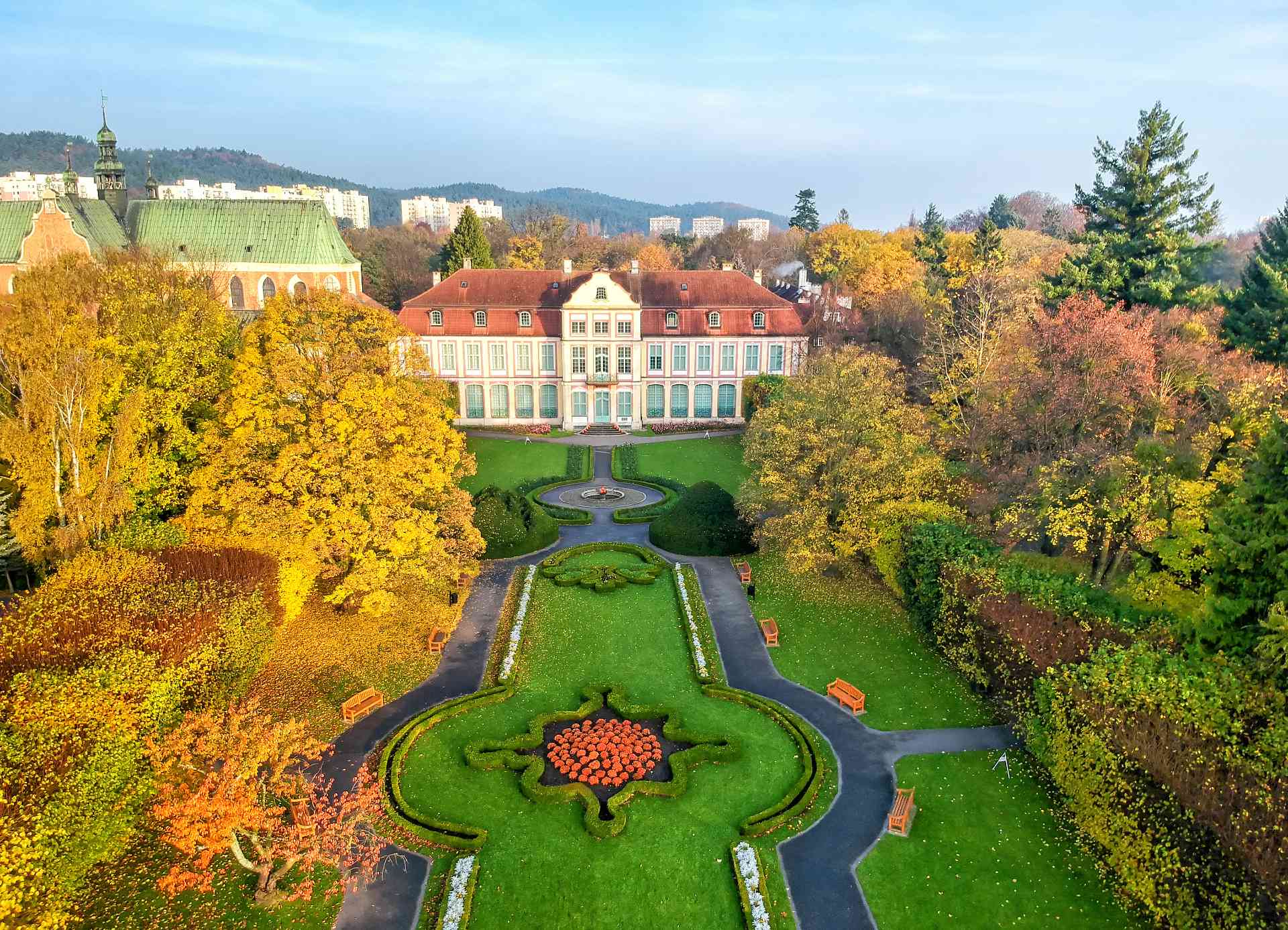
Oliwa Park Adam Mickiewicz
Oliwa Park, once one of many, is now the last surviving urban garden. Today it serves as a place of solace and beauty in the city center
Oliwa Park Adam Mickiewicz Google Reviews:
Reviews come from Google and are not verified. Details of personal data processing in the Privacy Policy.
Frequently asked questions
Oliwa Park Adam Mickiewicz
Most popular attractions
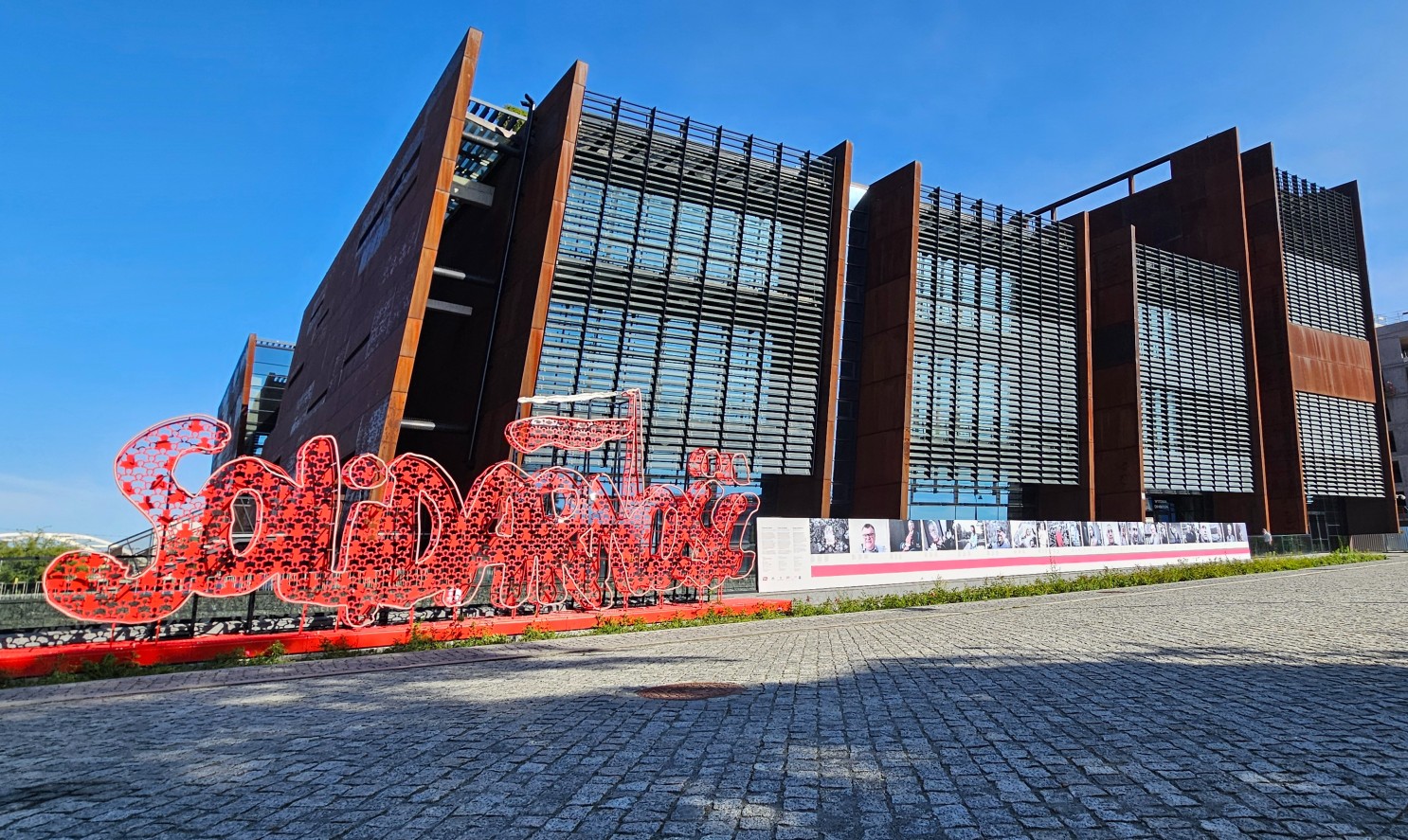
European Solidarity Center
- 2 km from the center
- Touring time: 2.5 hours
- A fascinating story about the history of Solidarity
- Modern exhibition technologies
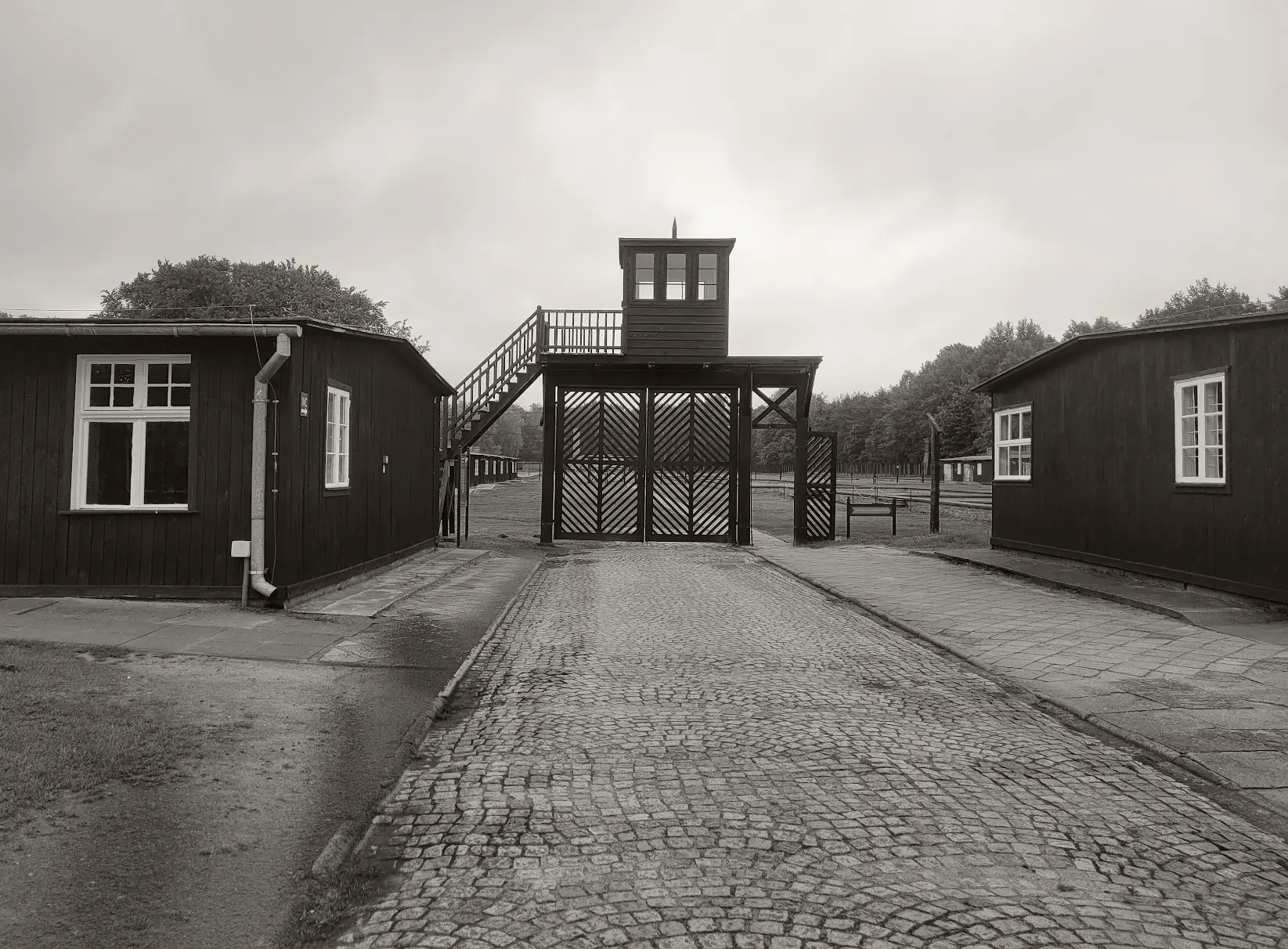
Stutthof Museum in Sztutowo
- 53 km from the center
- Touring time: 2.5 hours
- Nazi concentration camp
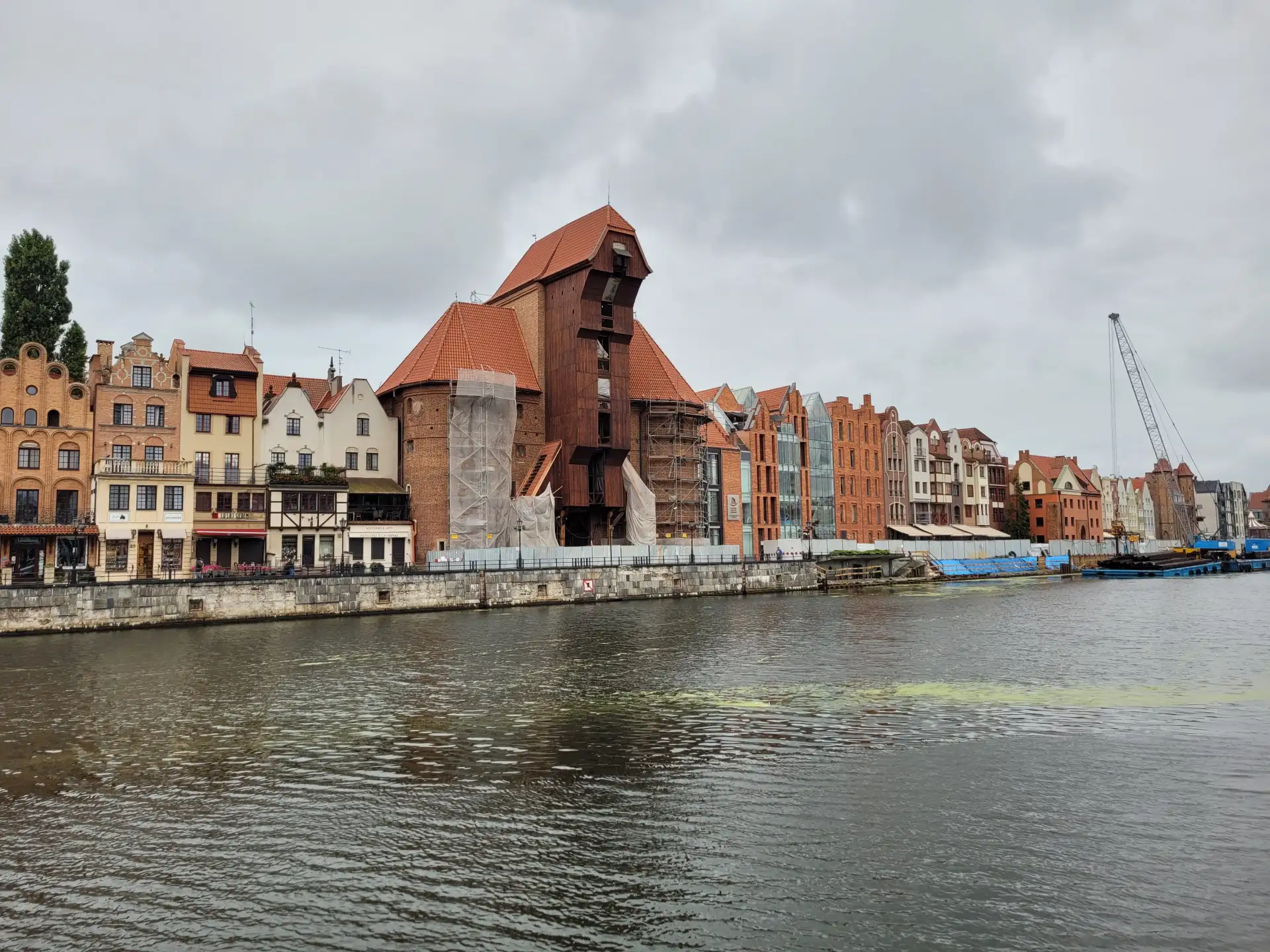
Old Harbor Crane
- 5 minutes from the center
- Touring time: 1 hour
- Exhibition about the former port of Gdańsk
- Icon of the city of Gdańsk
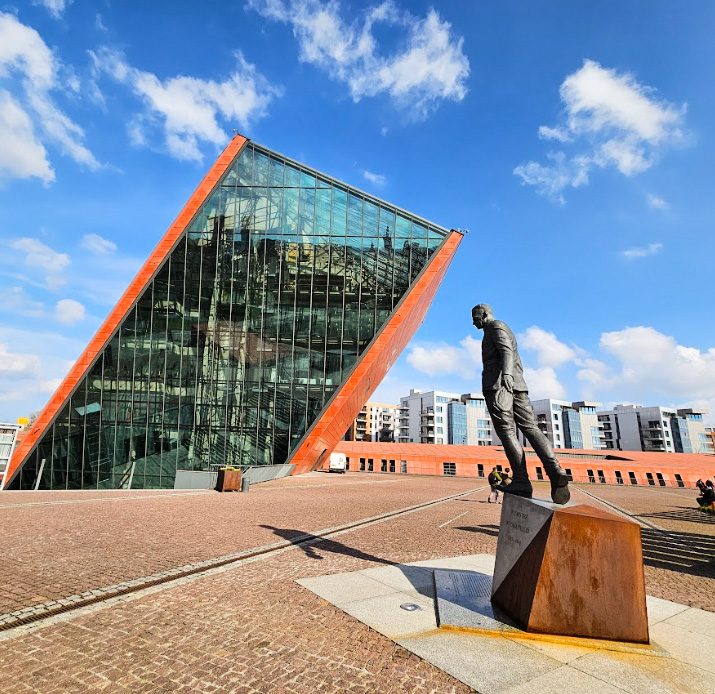
Museum of the Second World War in Gdańsk
- 1.6 km from the center
- Touring time: 3 hours
- One of the best-rated museums in Poland
- A well-prepared exhibition
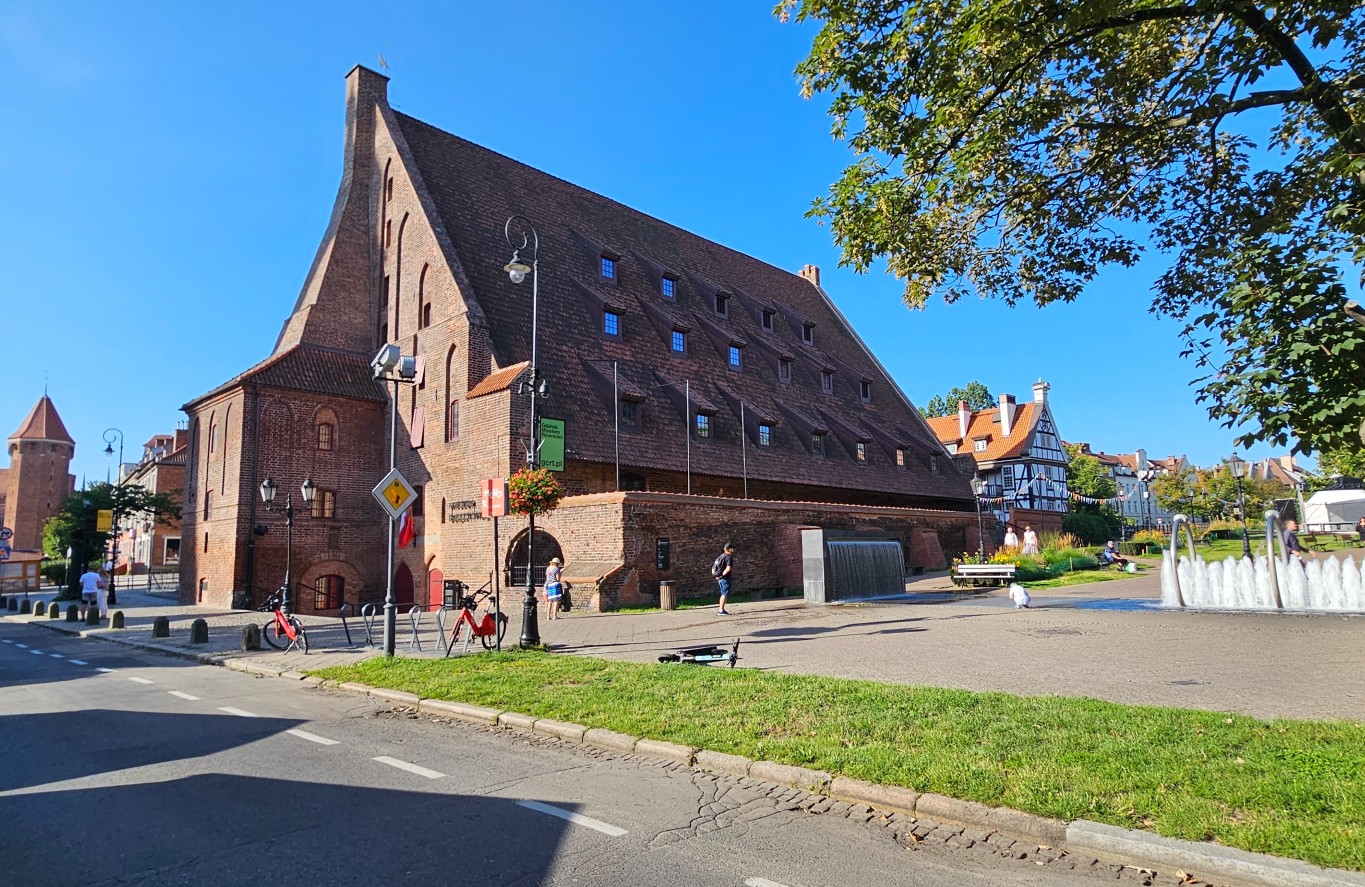
Amber Museum
- 0.8 km from the center
- Touring time: 1.5 hours
- Over 1,000 amber exhibits
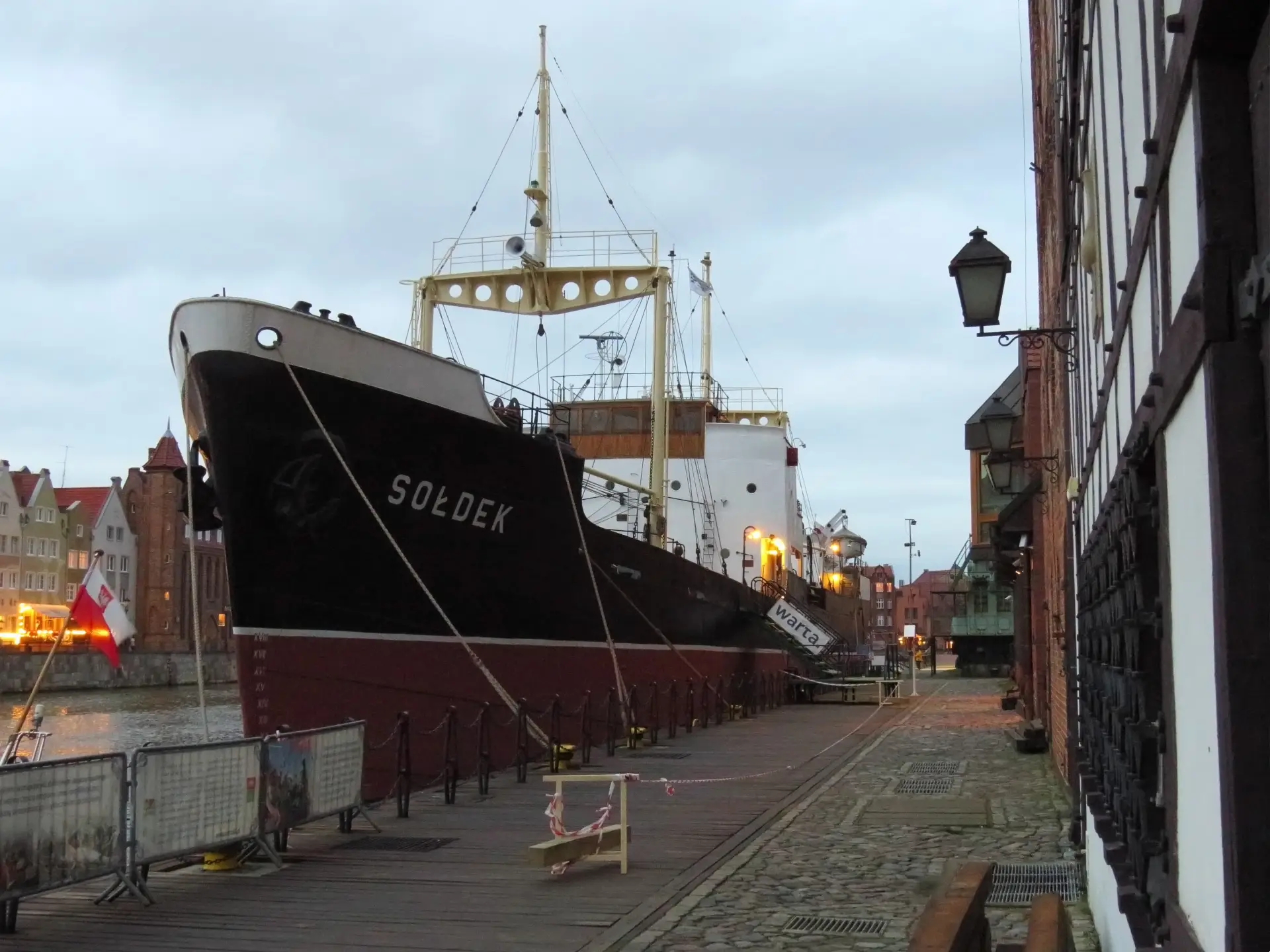
"Sołdek" Ship Muzeum
- 0.75 km from the center
- Tour: 45 minutes
- The world's only steam-powered ore coal ship.
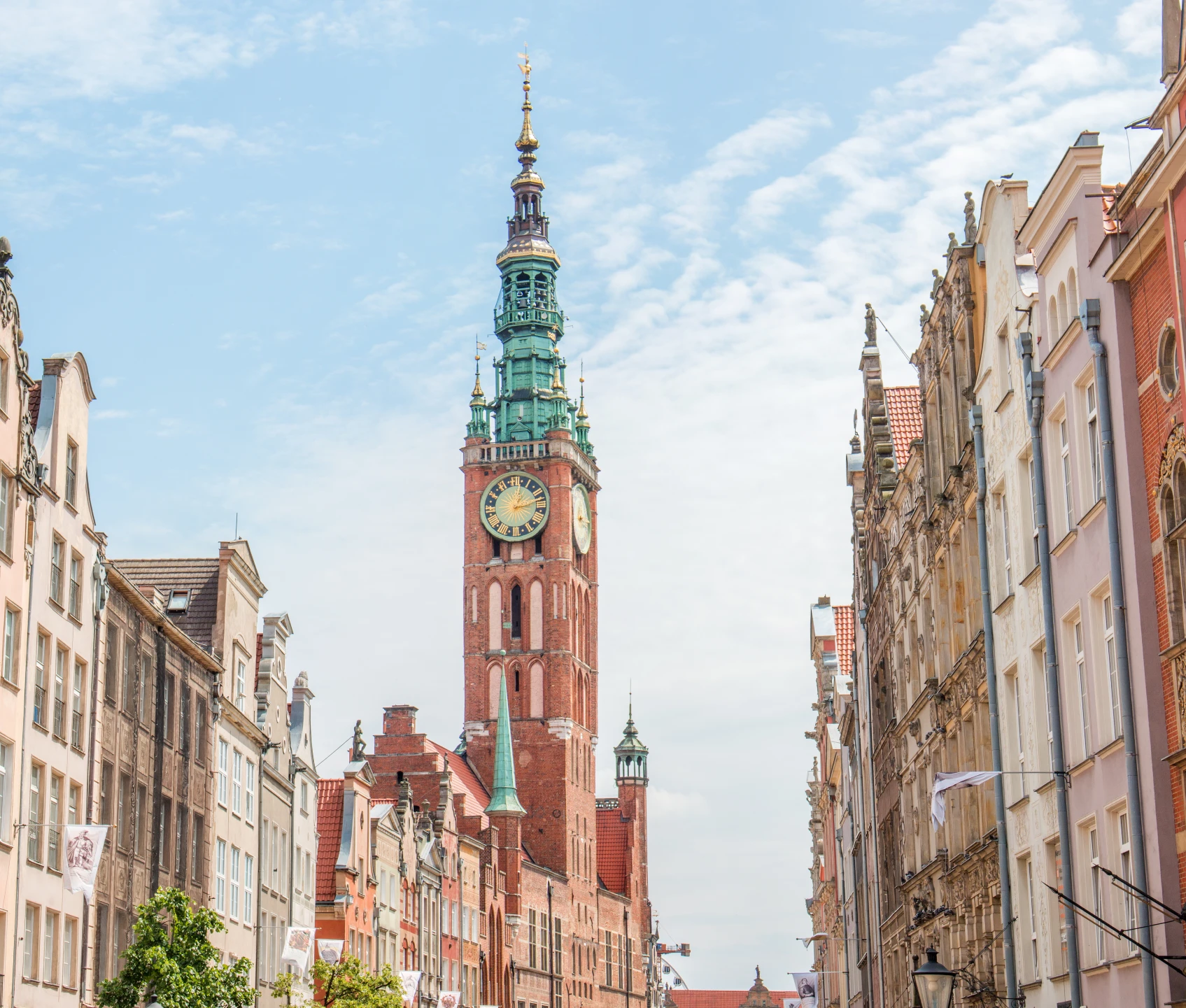
Main Town Hall
- Centrum
- Touring time: 1 hour
- Observation Tower
- Richly decorated interiors by masters of Gdańsk art
The most interesting places
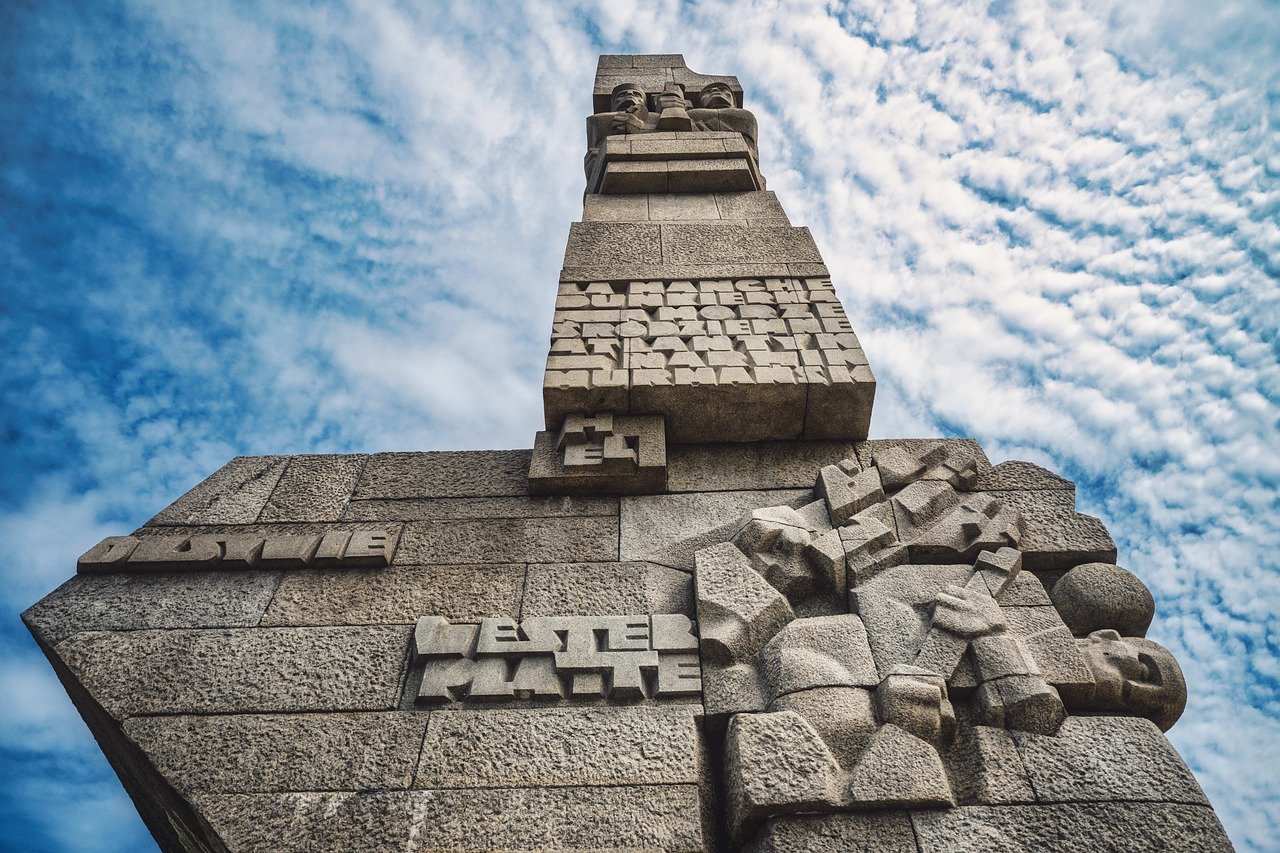
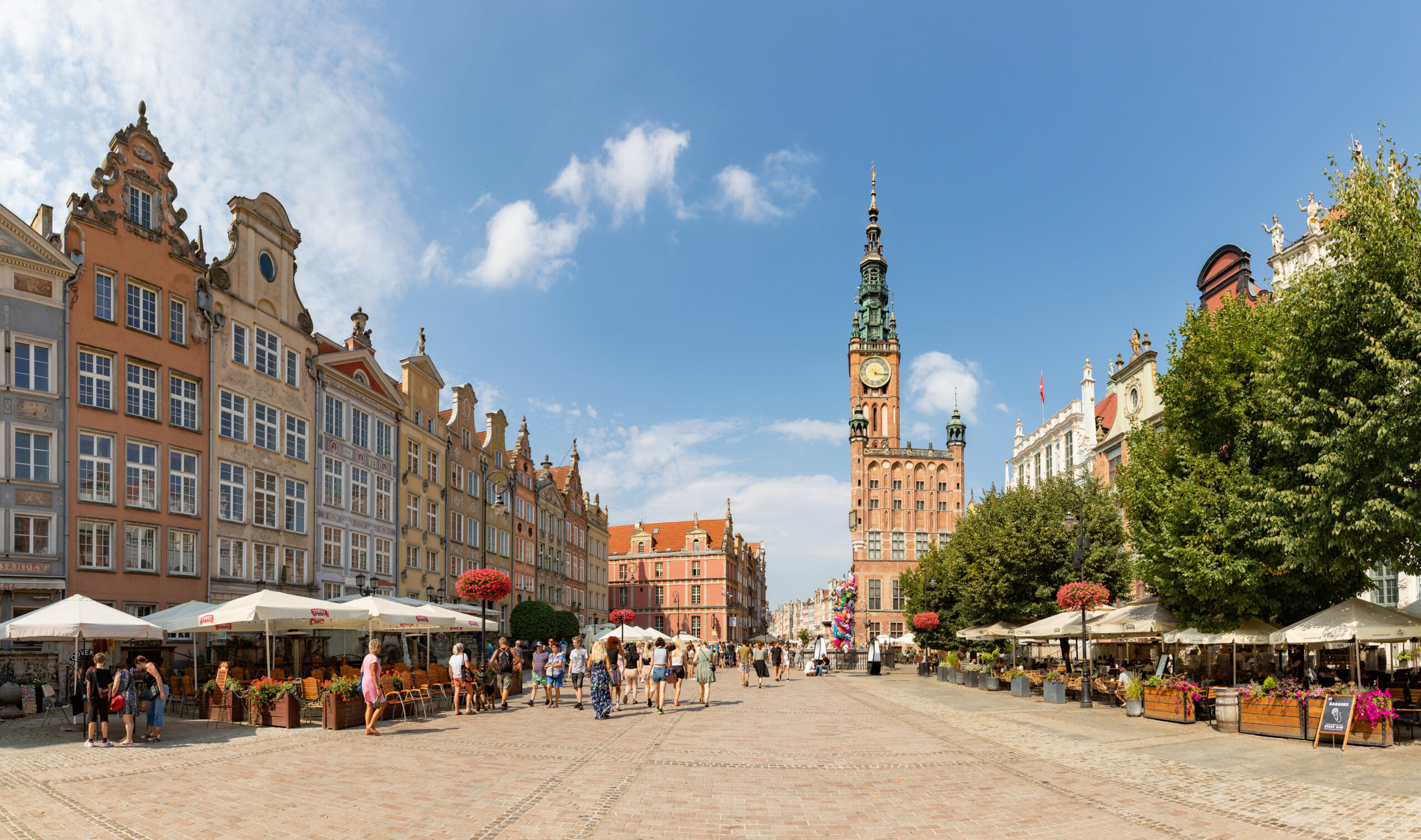
 Centrum
Oliwa Park Adam Mickiewicz
The origins of Oliwa Park date back to the times of the Cistercians, who created a garden next to the monastery. Developed by Abbot Rybiński in the 17th century, the park underwent a transformation under the direction of Kazimierz Dębiński, who introduced the Baroque French part with the Linden Avenue and a flower and lawn ground floor. After the secularization of the monastery in 1831, the garden became the property of the Prussian state, gaining the status of a dendrological and landscape garden. Currently, the park, rich in valuable species of trees, shrubs and architectural elements such as the Whispering Grottoes, is an important cultural and tourist place, eagerly visited by residents and tourists.